AI in Storage - Lustre File Storage
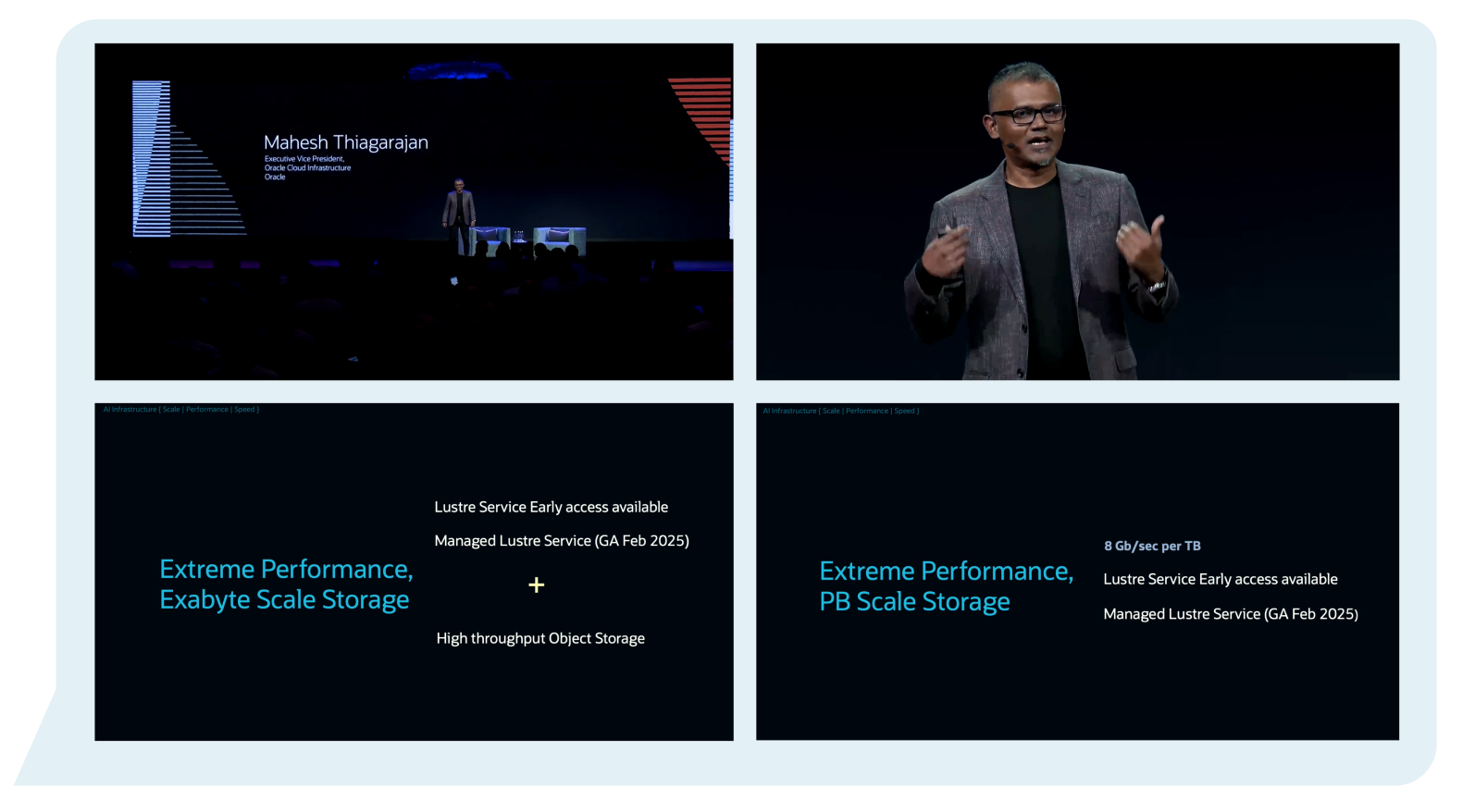
Demo @ Oracle Cloud World - Sep, 2024
Launched - Apr, 2025
What is Lustre Fiile Storage?
Announced at Oracle Cloud World 2024
Team & Timeline
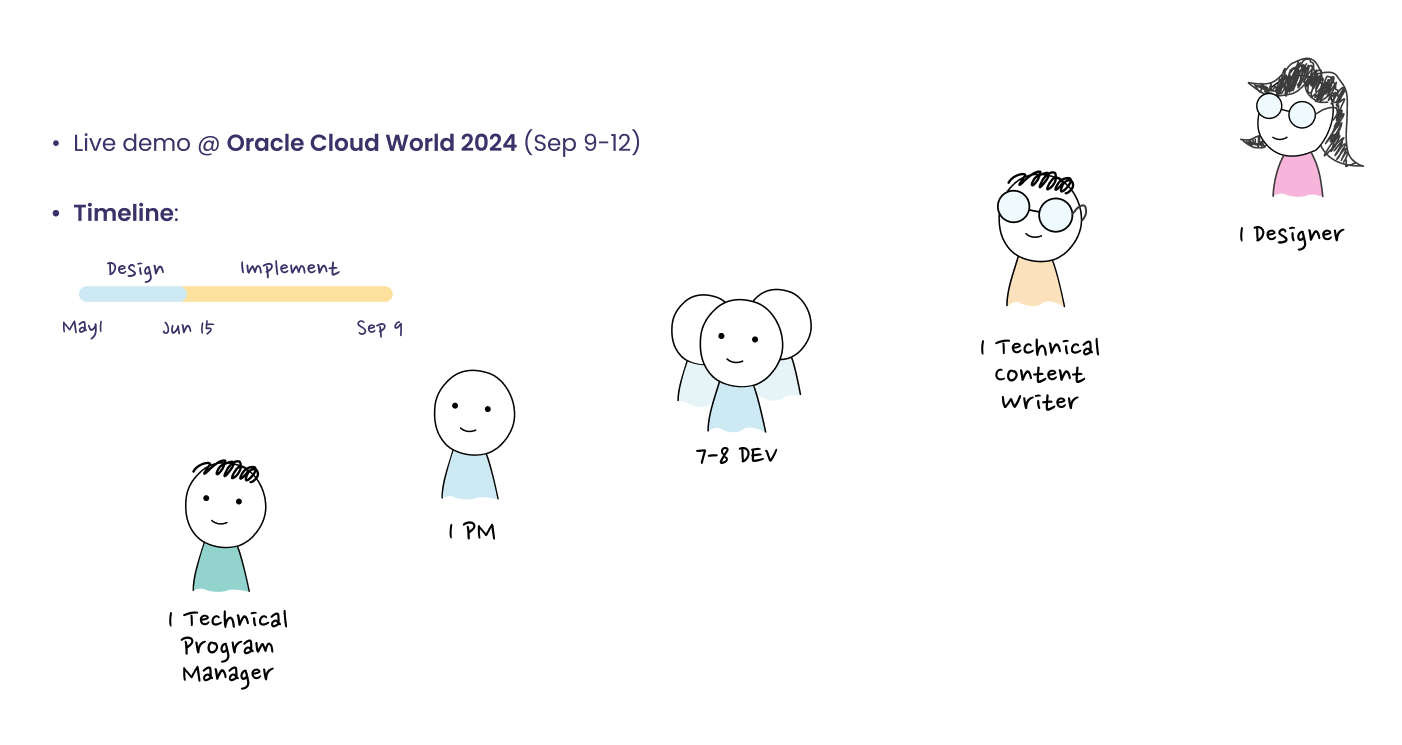
As the only designer on the team, I worked closely with the engineer team and the product team to come up with the design of the entire service within 1.5 months. It took another 2.5 months to implement. The service was demoed at Oracle Cloud World in Sep 2024 in Las Vegas.
Main use cases in the cloud
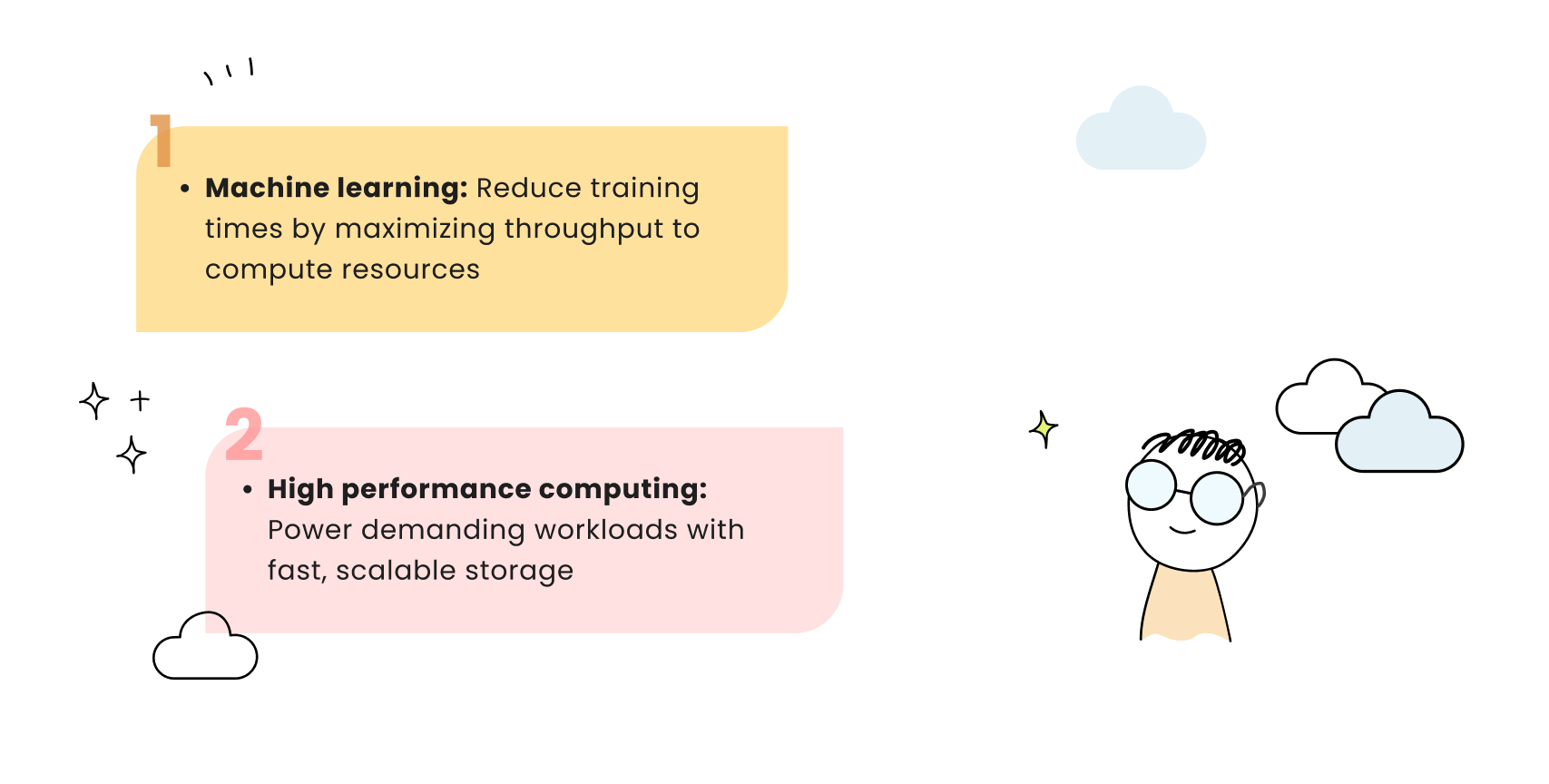
There are many use cases in the cloud, but the 2 main use cases are "Machine learning" and "High performance computing".
Use case in real life
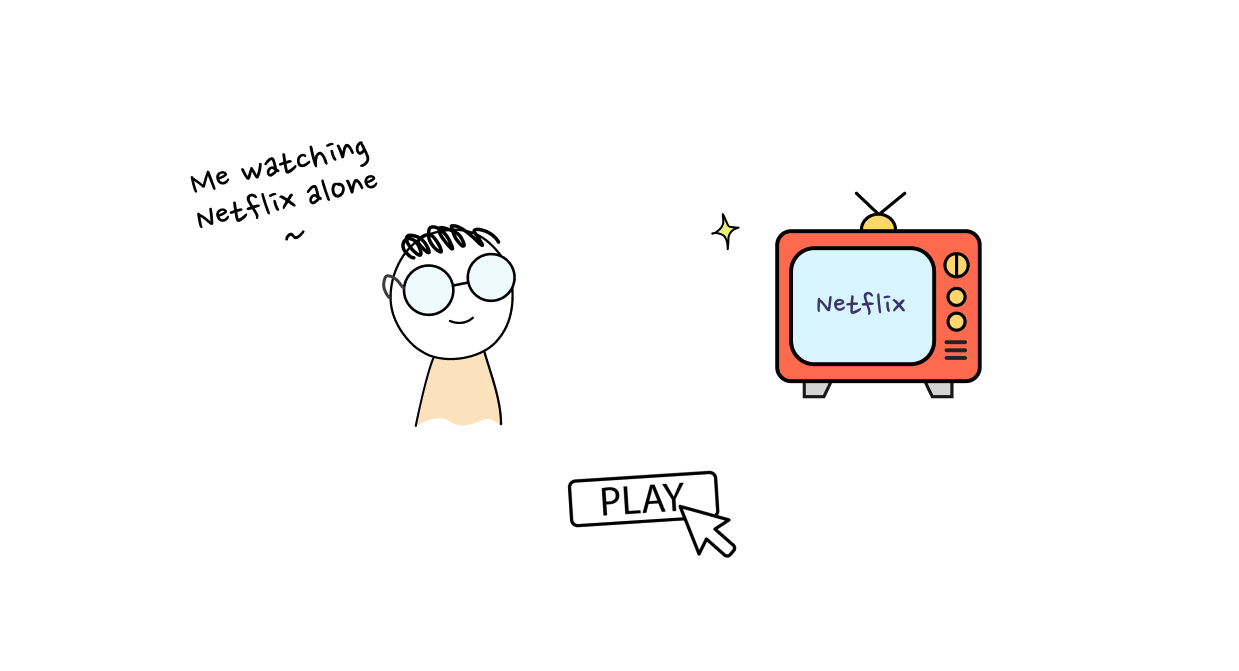
Now, let me give you a real life use case to help you understand Lustre better. Imagine you’re running a massive online movie streaming service, like Netflix. Every time a customer clicks "Play" button, the system needs to quickly fetch that movie from storage and deliver it smoothly, without buffering.
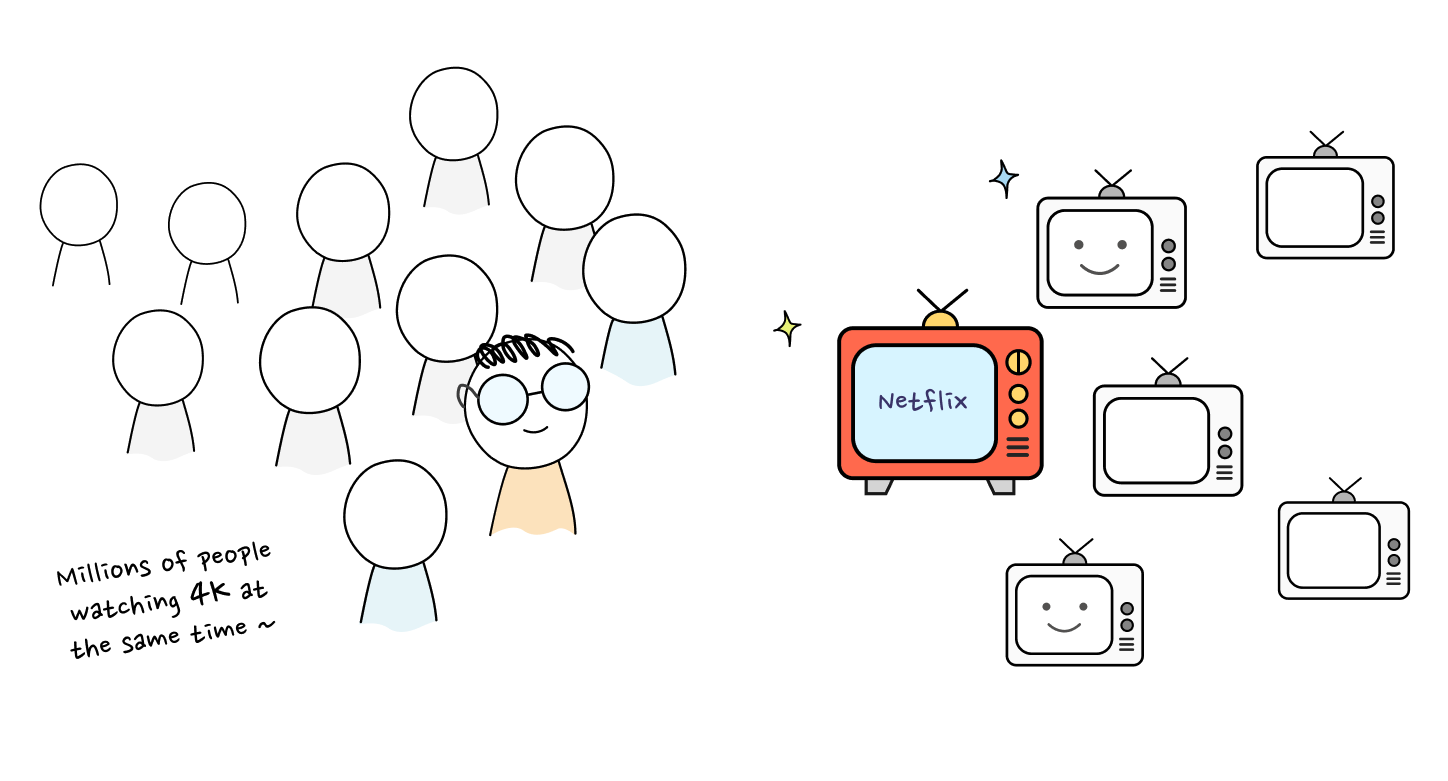
Now, multiply that by millions of people streaming at the same time—each watching different movies in high definition or even 4K. A normal storage system would struggle to handle this massive demand, but that’s where Lustre comes in. It’s like having a super-efficient, high-speed library where thousands of people can watch movies at the same time without slowing things down.
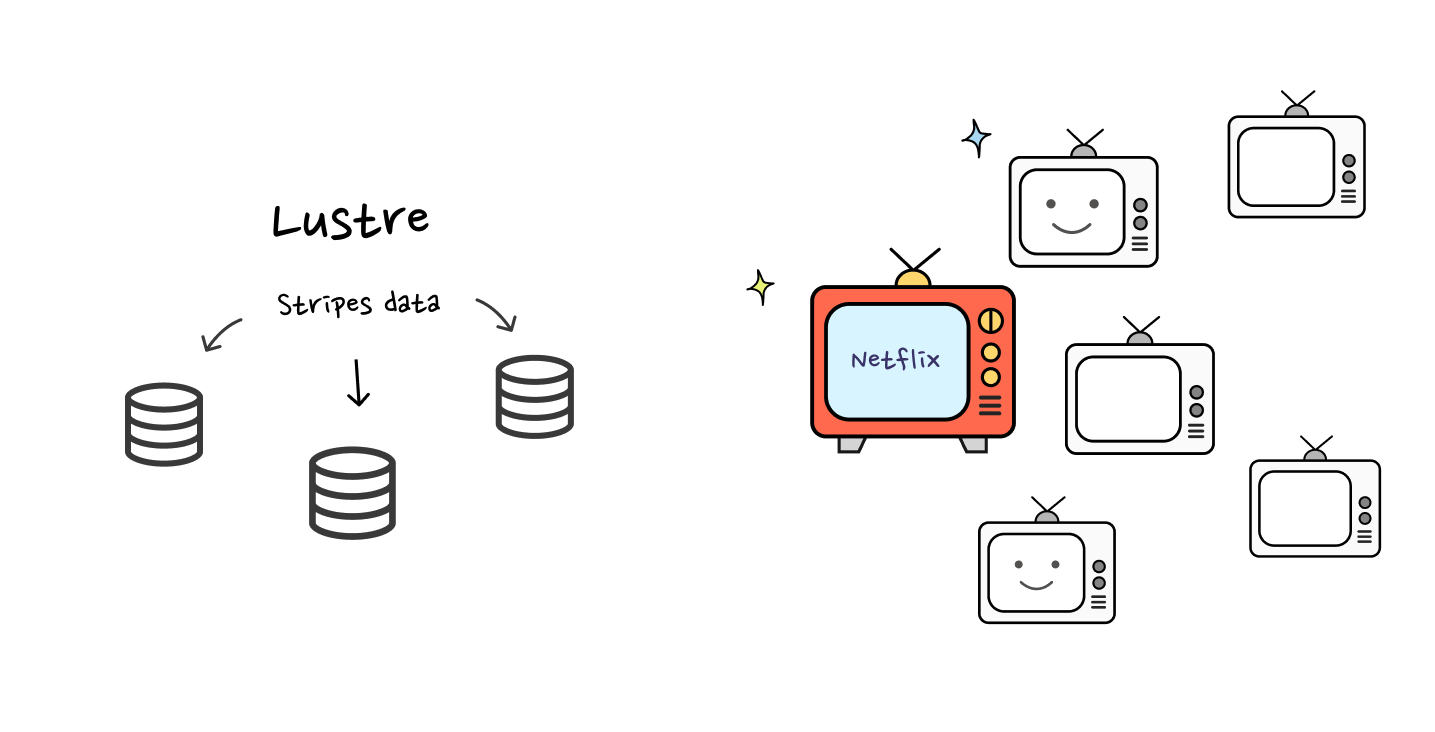
Lustre stripes data across multiple storage locations, so no single server gets overwhelmed. This means movies load faster, streams stay smooth, and the entire system runs reliably—even during peak hours.
Challenges
Challenge1 : Navigating between 2 design systems
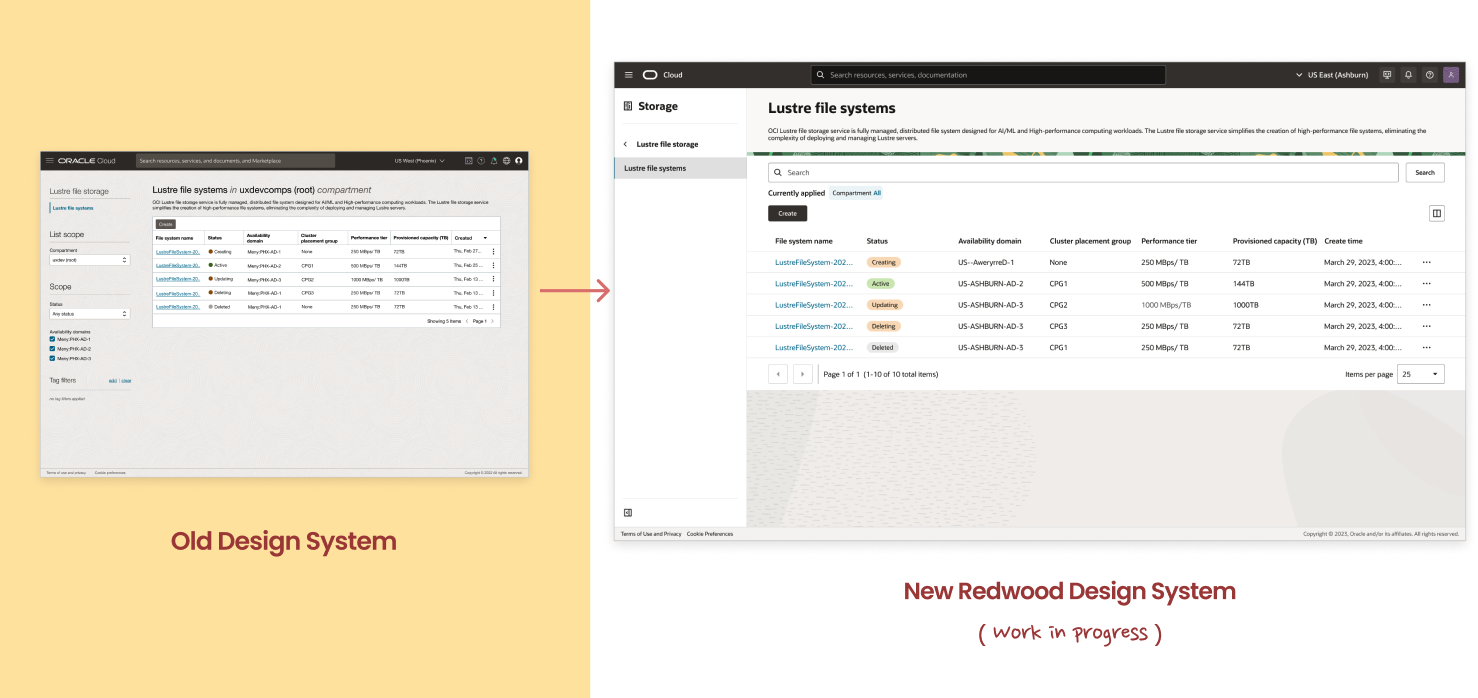
During the time we were doing this project, we were in the middle of transitioning from an old design system into a new design system. The new design system which we call "Redwood design system". This design system by that time was still in the middle of development . Not every component or template was fully available to use.
There were some templates that were available in the design library, but not in the development component library yet
Even we were asked by our leadership team to try our best to demo everything in Redwood design system for Cloud World purpose, but there was no guarantee we would be able to accomplish that.
Solution
We eventually decided to aim for the new design system. While also design in the old design system as a backup plan just to guarantee the success at Oracle Cloud World. Basically, we needed to do 2 design systems in parallel.
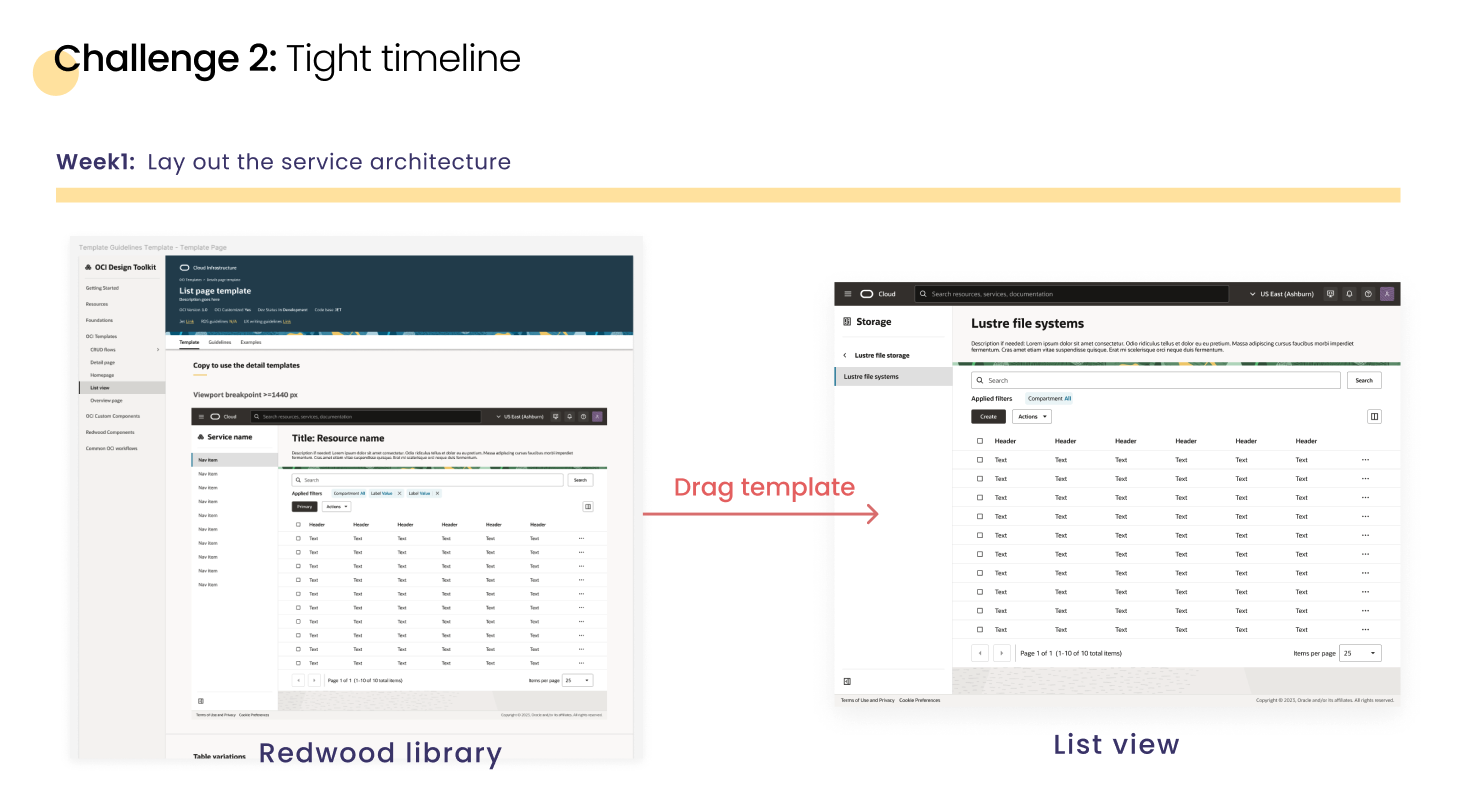
Challenge2 was about the tight timeline. When I started this project, it was only about 4 months left before the Cloud World, we needed to finish both design and implementation in such short amount of time, and the service team only had 1 front-end engineer, so I sense the resource was pretty tight.
In order to address this problem, the first week, after having a few conversations with the service team, I already had a pretty clear idea of how the service architecture would look like. Instead of diving into details, I laid out the entire service architecture. I dragged out all the high level templates from the design library without filling the details.
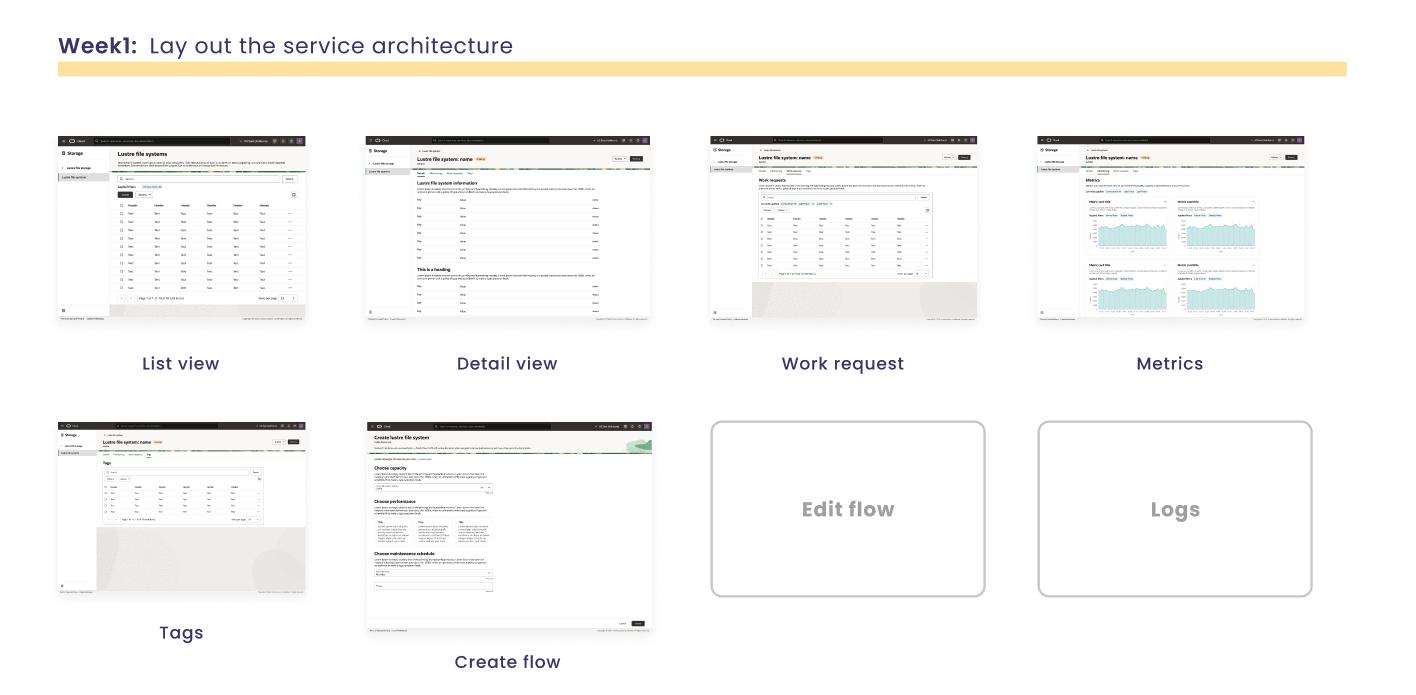
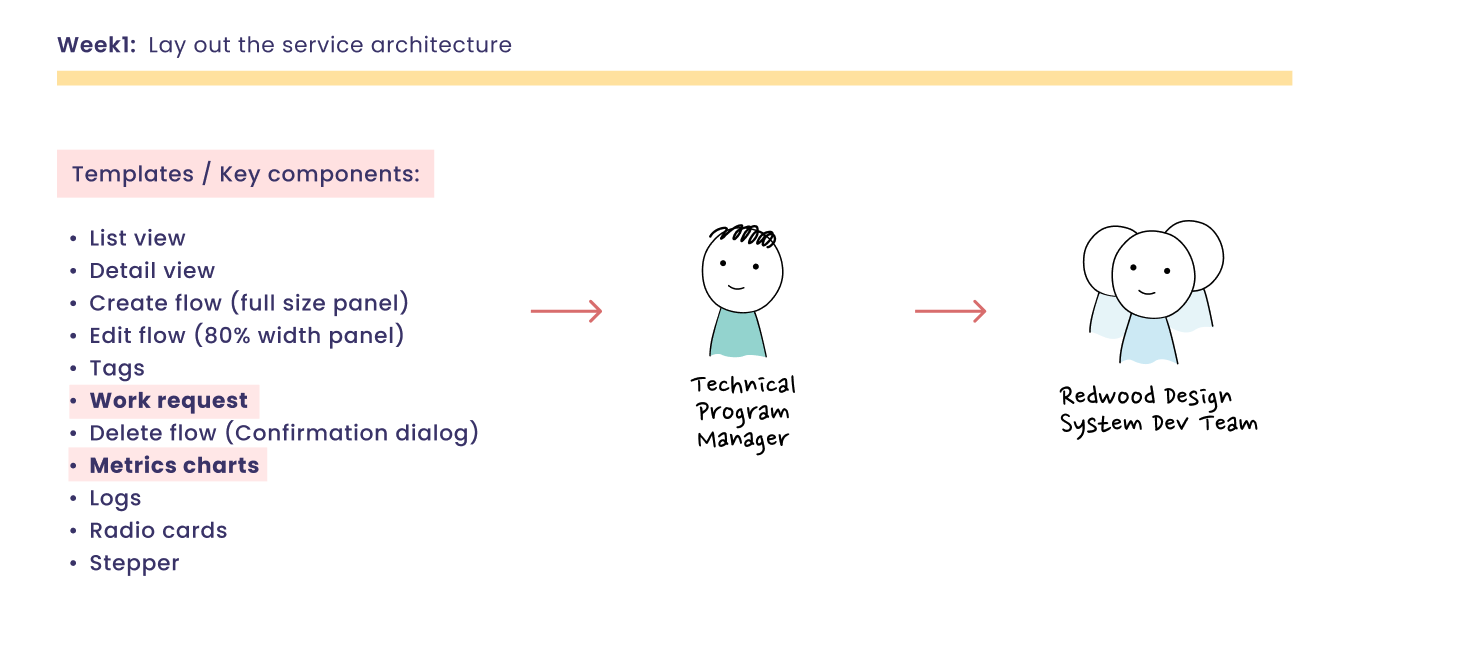
I listed out all the components & templates we needed for the entire service, and handed over this list to our TPM. I asked our TPM to check with our Redwood design system dev team to see if these components were fully available for our developer to use. If not, kindly ask them to prioritize building these components for us if possible, so that we can make it for the Cloud World.
Luckily, there were only 2 components we needed that were not available at that point of time
And because of this kind of early communication, the Redwood design system dev team were able to accommodate us and prioritize building these 2 components for us, so we can make it for the Cloud World.
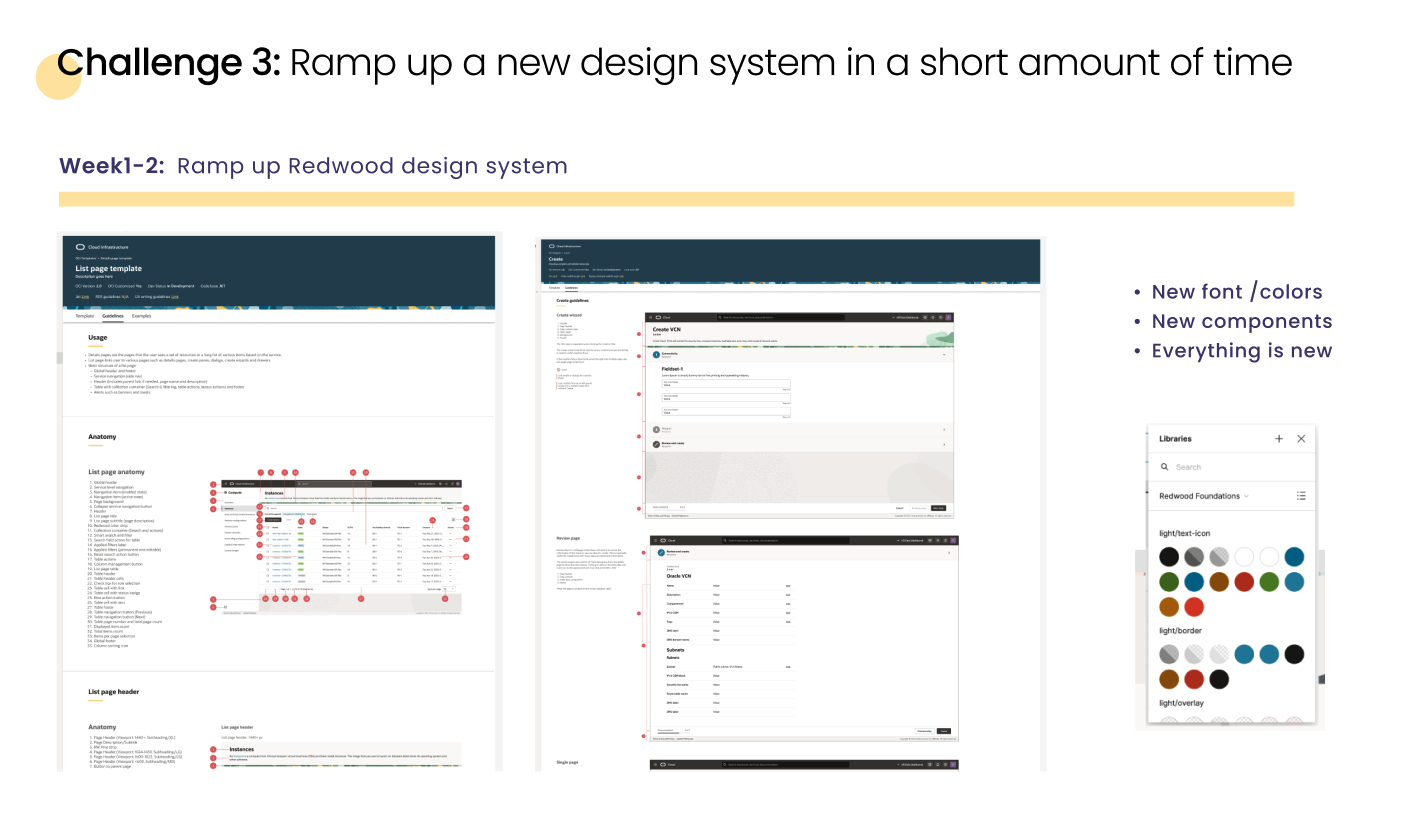
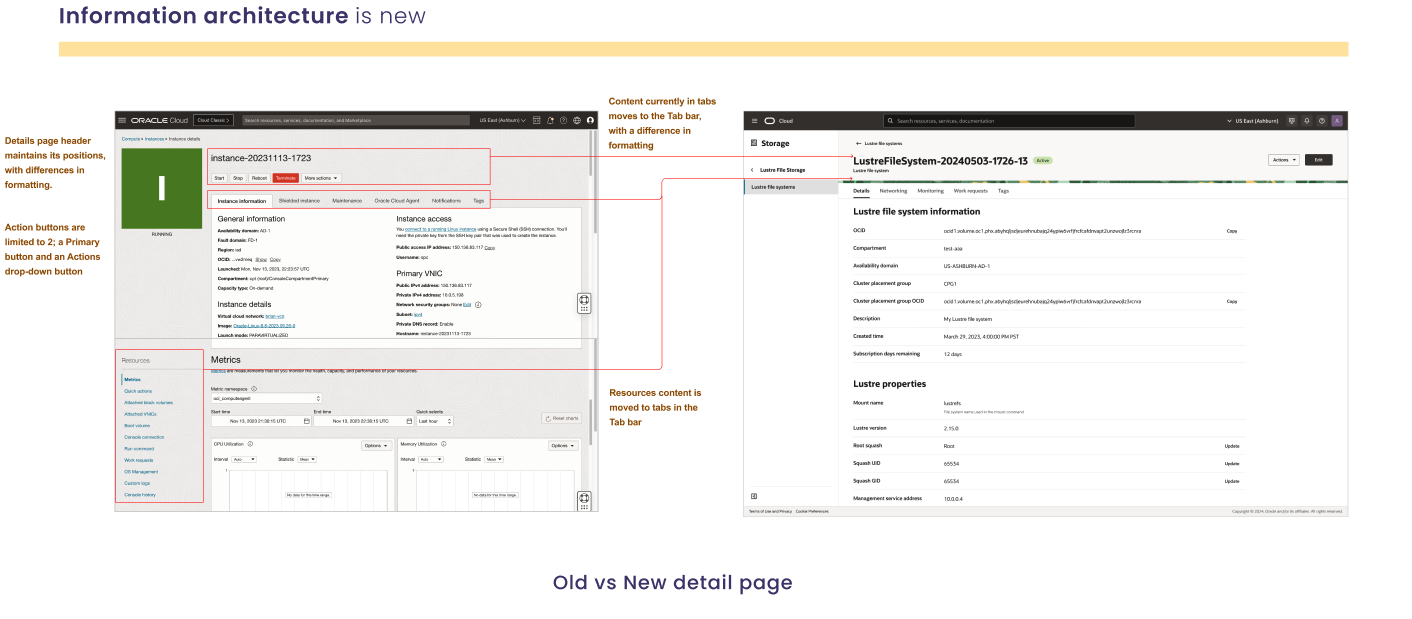
Challenge3 was "Ramp up a new design system in a short amount of time". The new design system, everything was new, the font was new, the color palette was new. Even the information architecture was new. As you can see the detail page above: the left one is the old design system, the right one iss the new design system. They look completely different.
Solution
In order to address this problem, I pretty much synced up with Redwood design system team on daily basis just to make sure I followed everything correctly.
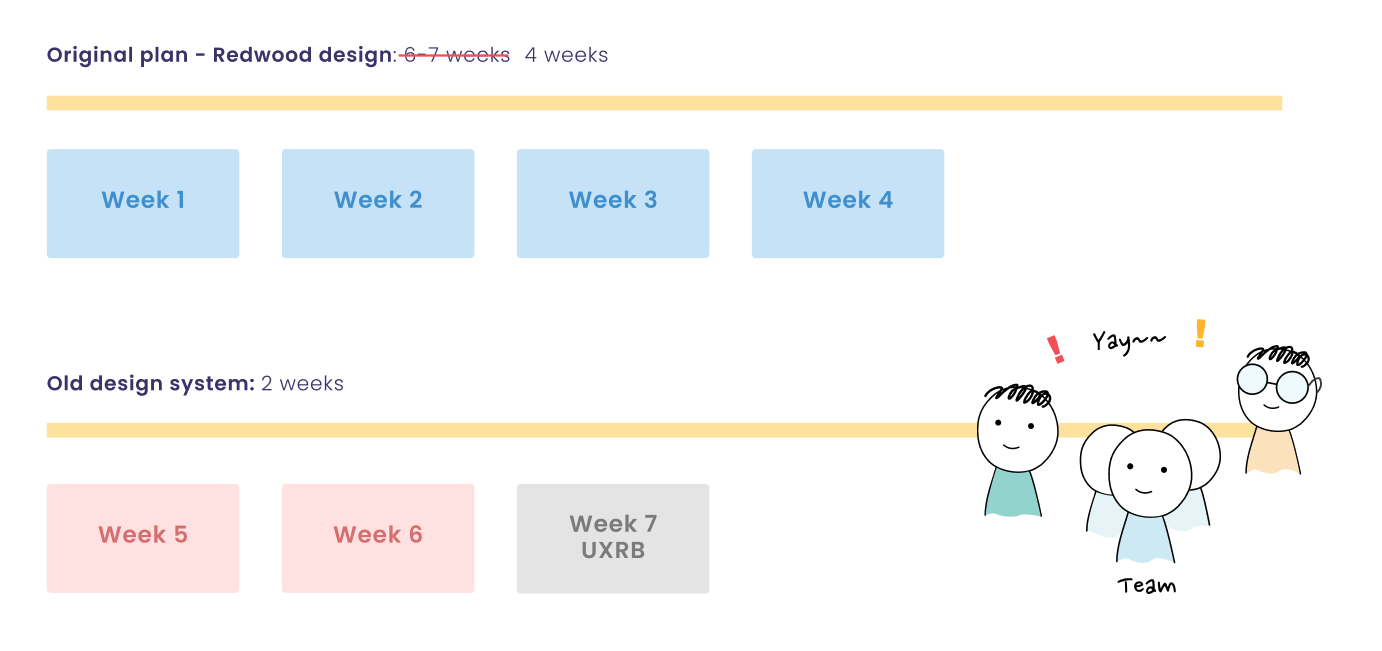
Because all of these things I did. Originally we planned about 6-7 weeks to finish the design in JUST the Redwood design system. Now I was able to squeeze the timeline and finish the redwood design in just 4 short weeks.
Then I used another 2 weeks to do the design in the old design system. The last week, week 7, we went to the UXRB - design review. That made my team really happy, especially our TPM!
Selected screens
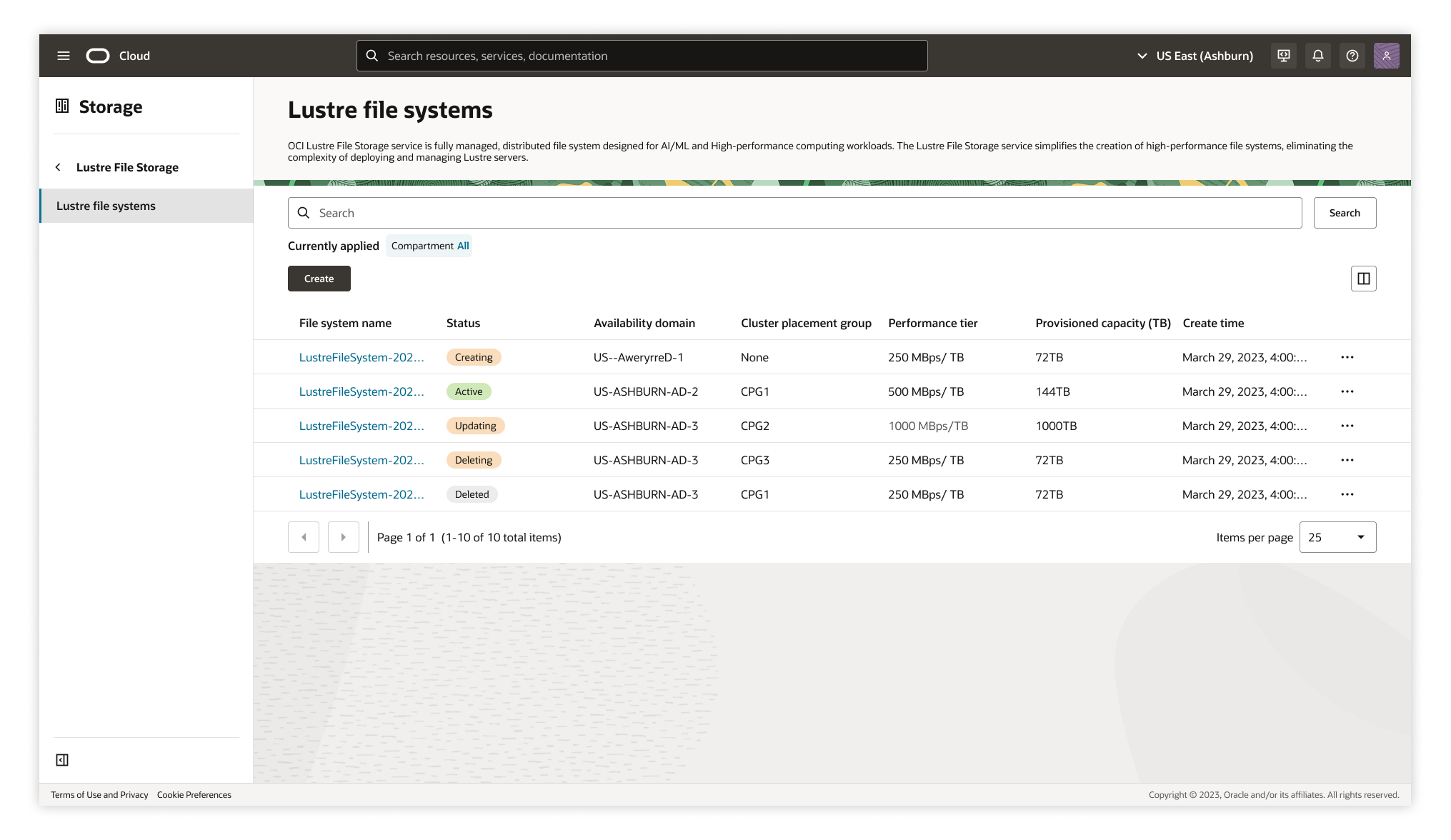
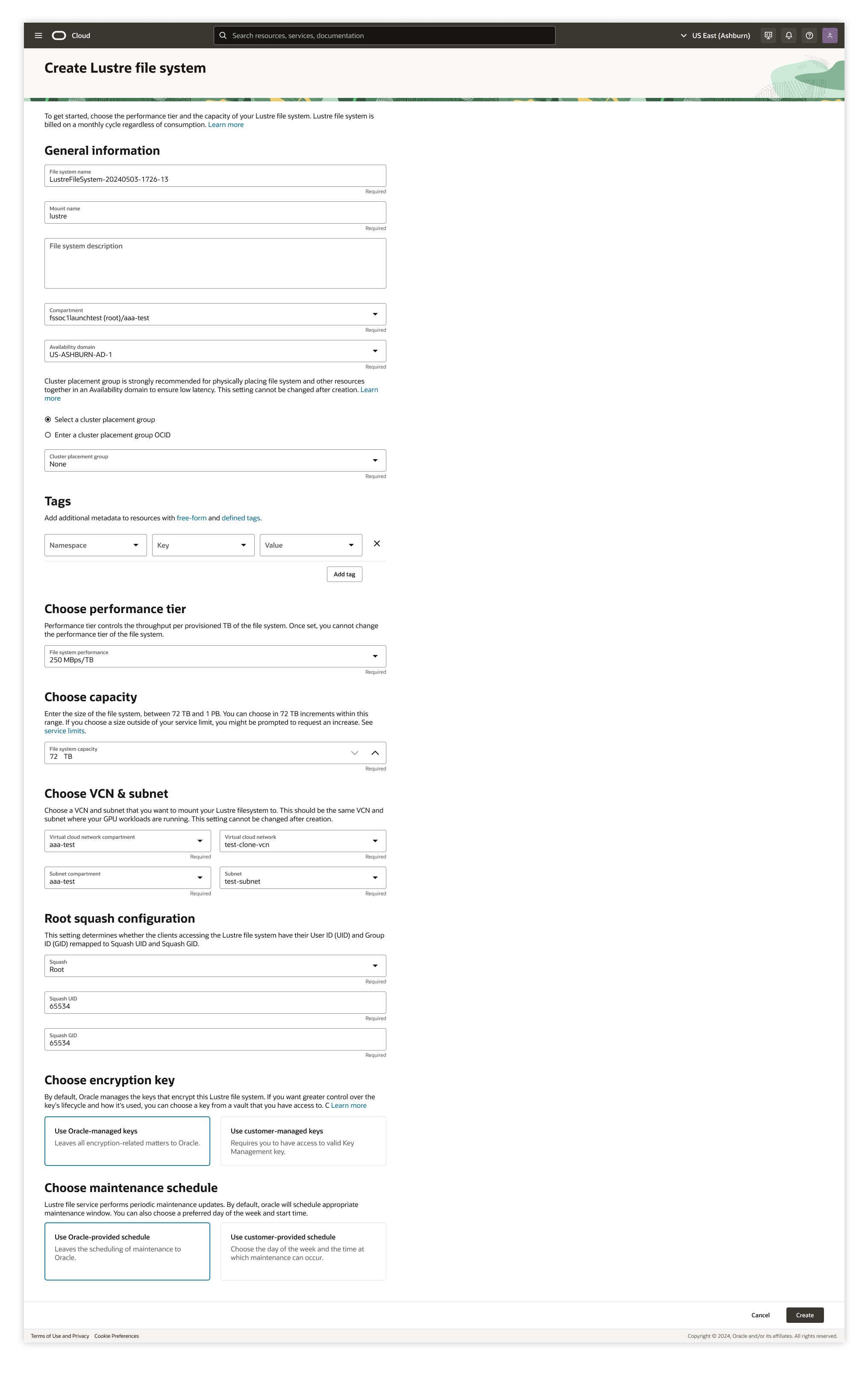
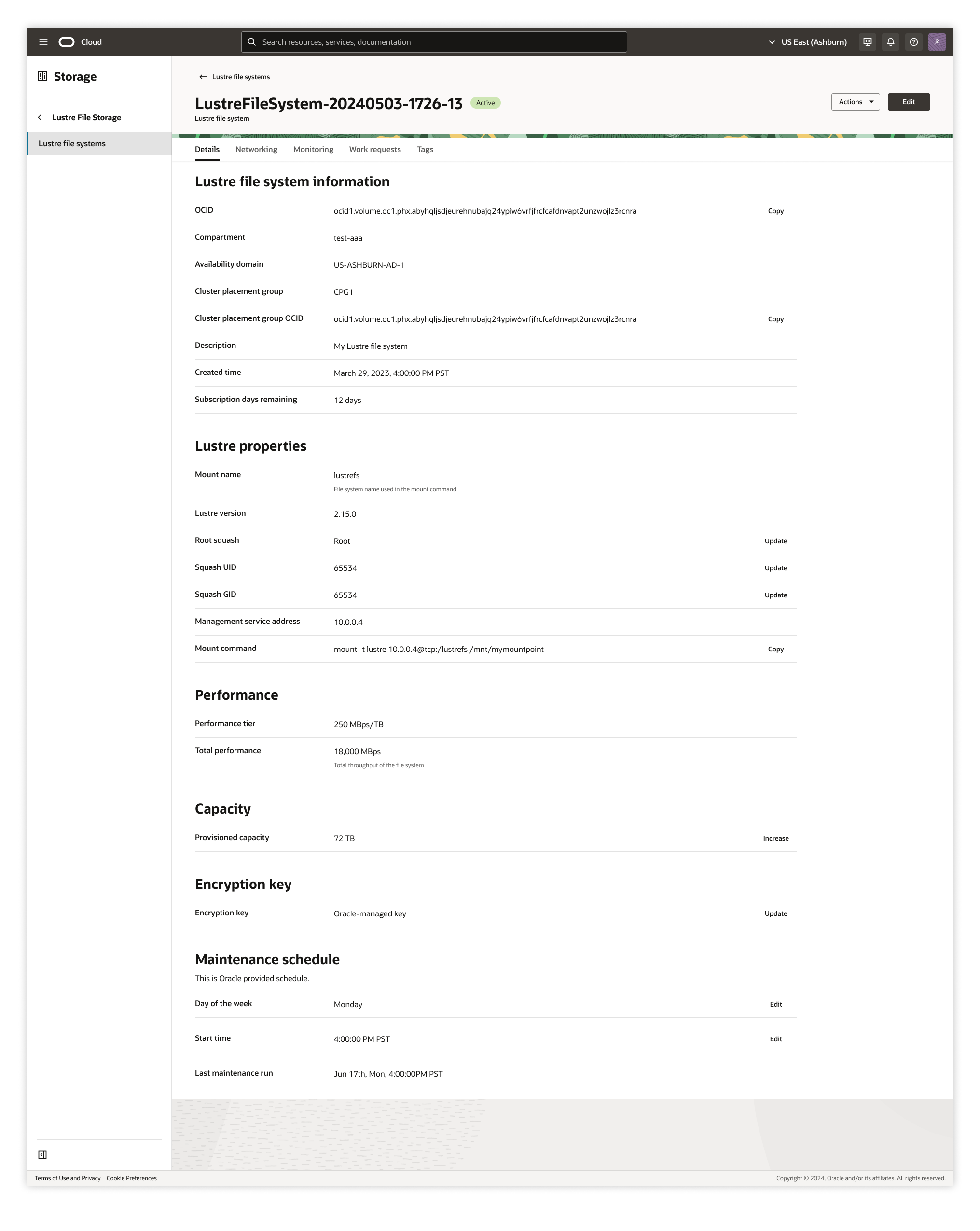
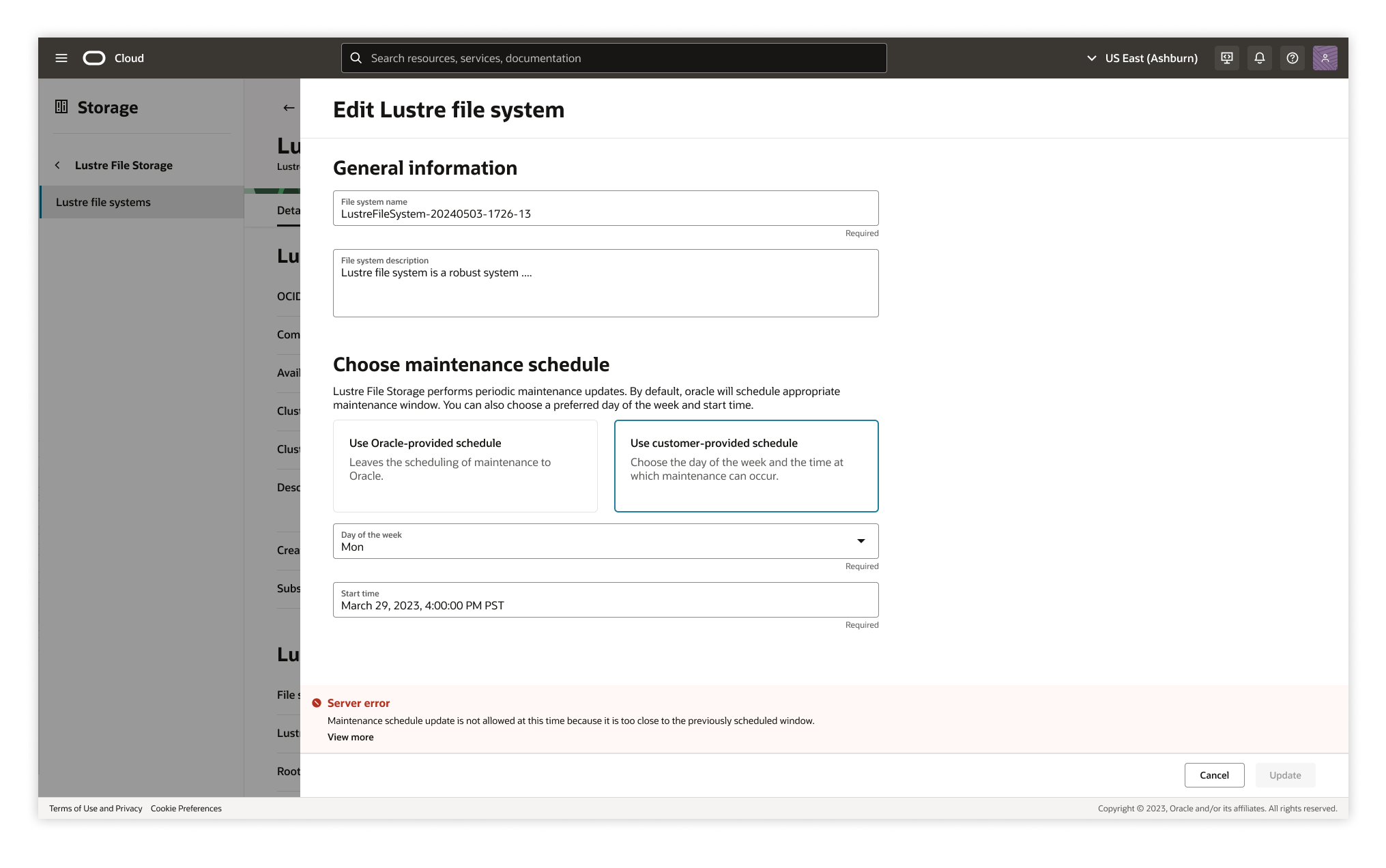
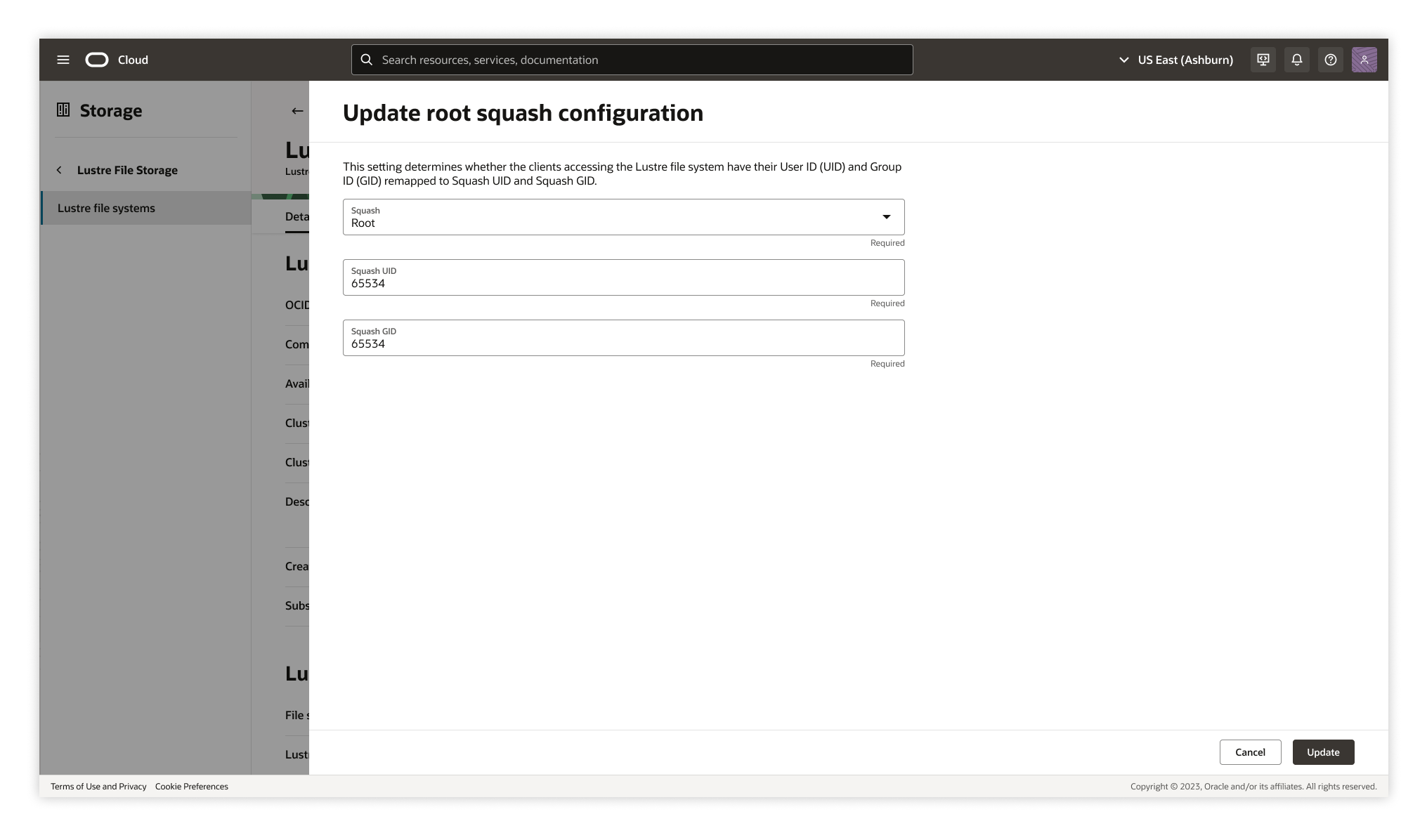
Entire service prototype
( If the following prototype doesn't show up, please click the link here )
